
How to Remineralize Your Teeth and Combat Cavities and Tooth Decay
Understanding Tooth Remineralization
Tooth remineralization is a natural process that plays a crucial role in maintaining dental health. This process involves the redepositing of essential minerals, particularly calcium and phosphate, into the tooth enamel. Enamel is the hard, outer layer of the teeth that provides protection against the harmful effects of acids produced by bacteria in the mouth. When there is a disruption in the balance between demineralization (the loss of these minerals) and remineralization, it can lead to the formation of cavities and tooth decay.
The primary agents in remineralizing your teeth are calcium and phosphate, which are crucial for the re-establishment of enamel integrity. These minerals are naturally present in saliva, and they help to counteract the effects of acidic environments, which can arise from various factors such as poor diet or inadequate oral hygiene. When the pH level in the mouth drops due to acid production, the enamel may begin to demineralize, leading to weakened teeth and potential cavities. A continuous supply of these minerals is imperative to sustain enamel health and combat any early signs of decay.
It is essential to foster a healthy balance between remineralization and demineralization. This can be achieved through various means, including proper oral hygiene practices, regular dental check-ups, and a balanced diet rich in foods with beneficial minerals. Additionally, products that contain fluoride, such as certain toothpaste and mouth rinses, can further enhance this natural process. By supporting remineralization, individuals can significantly contribute to reducing the effects of cavities and preventing tooth decay. Understanding this process is vital for making informed decisions regarding oral health and ensuring strong, resilient teeth.
Signs of Demineralization
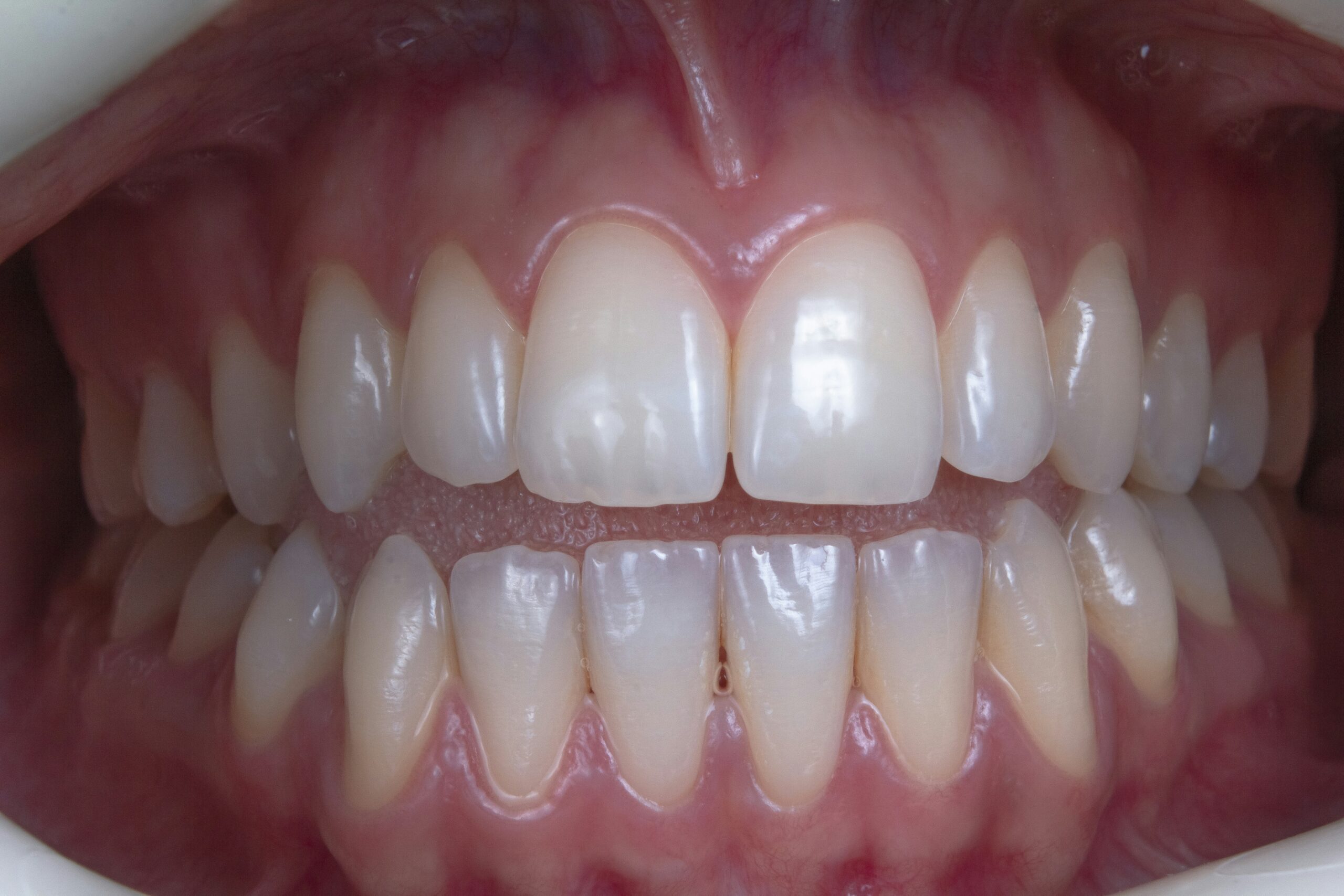
Understanding the early signs of demineralization is crucial for maintaining optimal dental health and preventing cavities. One of the most common indicators of this process is enamel discoloration. Enamel, the outermost layer of your teeth, may start to appear duller or take on a yellowish hue as minerals are lost. This discoloration is often a precursor to more serious dental issues, as weakened enamel is less effective at protecting the sensitive layers underneath.
Another significant sign of demineralization is increased sensitivity to temperature changes. Individuals may notice discomfort when consuming hot or cold foods and beverages. This sensitivity occurs due to the loss of minerals, which can thin the enamel and expose the underlying dentin, leading to heightened nerve sensitivity. Recognizing this symptom is essential, as it may indicate that remineralization efforts need to be prioritized to reduce the effects of cavities.
Additionally, the presence of white spots on the teeth is often an early sign of demineralization. These spots form as minerals leach out, creating areas of concern that can develop into cavities if not addressed promptly. The appearance of these white lesions is a clear call to action. Early identification of these signs enables individuals to implement strategies for remineralizing their teeth, which may include dietary changes, fluoride treatments, and enhanced oral hygiene practices.
By recognizing these signs of demineralization such as enamel discoloration, temperature sensitivity, and white spots, individuals can take proactive steps in their oral care routine. This proactive approach not only helps in combating cavities but also plays a vital role in maintaining overall oral health.
Nutritional Factors for Remineralization
Maintaining optimal dental health is imperative, particularly when aiming to remineralize your teeth and combat cavities and tooth decay. One important aspect of this process is nutrition. Dietary choices play a fundamental role in supplying essential nutrients that promote remineralization. Key nutrients such as calcium, vitamin D, and phosphorus contribute significantly to strengthening tooth enamel and reducing the effects of cavities.
Calcium is the primary mineral found in tooth enamel, making it crucial for remineralization. Foods rich in calcium, such as dairy products, leafy greens, and fortified plant-based alternatives, help to restore this essential mineral. Including these foods in your diet can enhance your teeth’s strength and integrity. Additionally, vitamin D plays a pivotal role in calcium absorption; thus, obtaining an adequate amount of this vitamin is critical. Sources of vitamin D include fatty fish, egg yolks, and fortified foods, as well as exposure to sunlight.
Phosphorus, another vital mineral for dental health, works synergistically with calcium to promote remineralization. Foods such as meat, poultry, fish, eggs, nuts, and legumes are excellent sources of phosphorus. Incorporating these into your meals can enhance your overall nutrient intake, making it easier to support your teeth’s structural integrity.
Moreover, certain foods and beverages that are high in sugar or acids can hinder remineralization and contribute to tooth decay. Limiting such items, while emphasizing a diet rich in calcium, vitamin D, and phosphorus, can significantly improve your dental health. By shifting your dietary habits to incorporate these key nutrients, you can support the remineralization processes, ultimately reducing the effects of cavities and enhancing the overall health of your teeth.
Fluoride and Its Role in Dental Health
Fluoride is a naturally occurring mineral that plays a crucial role in maintaining dental health, particularly concerning the remineralization of your teeth. Its primary function is to enhance the strength of tooth enamel, making it more resistant to the demineralization processes that lead to cavities and tooth decay. The integration of fluoride into your oral hygiene regimen has been widely studied and supported by dental health organizations worldwide.
The mechanism through which fluoride operates primarily involves its ability to form stronger and less soluble compounds with the minerals in tooth enamel, such as calcium and phosphate. This results in the creation of fluorapatite, a mineral that is much more resistant to acid attacks, thereby effectively reducing the effects of cavities. Fluoride can be found in various forms, including toothpaste, mouth rinses, and professional dental treatments. The application of fluoride in these products has been shown to significantly aid in the remineralization of your teeth, particularly for individuals at higher risk for dental caries.
However, it is essential to use fluoride products wisely, as overexposure can lead to dental Fluorosis, a condition characterized by the mottling of tooth enamel. This emphasizes the importance of adhering to recommended guidelines regarding fluoride use, particularly for children, who are more susceptible to its effects. Dental professionals recommend using a fluoride toothpaste twice daily and considering periodic professional fluoride treatments if you are at increased risk for cavities.
In conclusion, fluoride is a powerful ally in the battle against tooth decay and in the remineralization of your teeth. Its effectiveness in strengthening enamel and reducing demineralization makes it a key component of effective dental care. Understanding how to incorporate fluoride safely into your routine is vital for maintaining optimal dental health.
Effective Oral Hygiene Practices
Maintaining effective oral hygiene practices is crucial for remineralizing your teeth and combating the effects of cavities and tooth decay. Adopting a consistent routine can significantly enhance the strength of your enamel, which is the first line of defense against dental issues. To achieve optimal oral health, it is essential to follow a few key practices, including proper brushing, flossing, and rinsing techniques.
First and foremost, brushing your teeth at least twice a day is fundamental. Employ a fluoride toothpaste, as fluoride plays a vital role in the remineralization process. Use a soft-bristled toothbrush to gently brush all surfaces of your teeth for a minimum of two minutes. Ensure you maintain a consistent angle of 45 degrees to effectively clean the gum line, where plaque often accumulates. Remember to replace your toothbrush every three to four months or sooner if the bristles become frayed.
Flossing is another essential practice often overlooked. It is important to floss at least once a day to remove food particles and plaque build-up between teeth, where a toothbrush cannot reach. Use an adequate length of floss, typically around 18 inches, winding most of it around your middle fingers while leaving about an inch to work with. Gently slide the floss between your teeth, curving it around the base of each tooth and sliding it up and down, ensuring you reach under the gum line to provide a comprehensive clean.
Lastly, rinsing with an antibacterial mouthwash can further enhance your oral hygiene routine. A mouthwash that contains fluoride can contribute to remineralizing your teeth while helping reduce the effects of cavities. Rinse according to the instructions on the product label, generally allowing for 30 seconds of thorough swishing to maximize the benefits. By adhering to these effective oral hygiene practices, you will significantly reduce the likelihood of cavities and improve your overall dental health.
Using Remineralization Products
Remineralizing your teeth is essential for maintaining oral health and reducing the effects of cavities. A variety of products are available over-the-counter and by prescription, specifically formulated to enhance enamel strength and promote the remineralization process. These include remineralizing toothpaste, mouth rinses, and professional varnishes.
When selecting a remineralizing toothpaste, look for options that contain fluoride, calcium phosphate, or hydroxyapatite. These ingredients play a crucial role in restoring minerals to the enamel, thereby fortifying it against acid attacks that lead to tooth decay. Toothpaste that explicitly states its remineralizing capabilities can be an effective choice for daily oral care. It is advisable to brush with this type of toothpaste at least twice daily and to follow the manufacturer’s instructions for optimal results.
Mouth rinses designed for remineralization also contribute significantly to the health of your enamel. Choosing a mouthwash that contains fluoride can offer additional protection against cavities by helping to remineralize your teeth with regular use. These rinses are typically used after brushing and should be swished around the mouth for the time indicated on the label, allowing the active ingredients to come in contact with the teeth for maximum effectiveness.
For individuals needing more intensive treatment, dental professionals may recommend varnishes that are applied in-office. These varnishes contain a high concentration of fluoride and are effective in remineralizing teeth, particularly in patients with a history of dental problems. Application involves a simple procedure where the varnish is painted onto the teeth; the treatment may need to be repeated periodically based on individual needs.
Overall, leveraging these various remineralization products can help in reducing the effects of cavities and improve oral health. Choosing the right products, using them correctly, and maintaining regular dental check-ups will further enhance your protective measures against tooth decay.
Natural Remedies for Tooth Remineralization
Addressing the process of remineralizing your teeth through natural remedies has gained attention in dental health discussions. These remedies aim to repair the enamel and strengthen your teeth, potentially reducing the effects of cavities and tooth decay. Oil pulling, homemade remineralization pastes, and specific herbal extracts are among the most commonly suggested treatments.
Oil pulling, an ancient practice, involves swishing oil (often coconut or sesame) in your mouth for about 15-20 minutes. This method is believed to draw toxins and harmful bacteria from the mouth while providing a source of minerals that can aid in the remineralization of your teeth. Regular oil pulling can contribute to improved oral hygiene. However, it should complement, not replace, conventional oral care routines, including brushing and flossing.
Another effective method includes homemade remineralization pastes, which typically consist of ingredients such as baking soda, coconut oil, calcium powder, and essential oils like peppermint or clove. To prepare this paste, mix equal parts of baking soda and calcium powder with enough coconut oil to achieve a paste-like consistency. Apply the paste to your teeth using a soft toothbrush, allowing it to sit for a few minutes before rinsing. This can provide a dual benefit: mechanically cleaning the teeth while delivering minerals essential for enamel repair.
Additionally, certain herbal extracts, like neem and licorice, have demonstrated properties that can aid in oral health. Neem, known for its antibacterial qualities, may help maintain a healthy balance of oral flora, thereby supporting the remineralization process. Licorice extracts are also reputed to inhibit harmful bacteria, potentially decreasing the risk of tooth decay.
In conclusion, while these natural remedies can support remineralizing your teeth, integrating them into a well-rounded oral health regimen is crucial for optimal results. Regular dental check-ups and effective brushing techniques remain fundamental to maintaining healthy teeth.
Lifestyle Changes to Support Dental Health
The health of your teeth significantly influences overall well-being; therefore, adopting specific lifestyle changes can greatly enhance the remineralization of your teeth and help in reducing the effects of cavities. One of the essential changes is increasing hydration. Consuming enough water not only promotes saliva production but also aids in maintaining a balanced pH level in the mouth. Saliva plays a critical role in remineralizing your teeth by neutralizing acids produced by bacteria, thus minimizing the risk of tooth decay.
Additionally, reducing sugar consumption is vital for maintaining oral health. Sugars are the primary food source for harmful bacteria in the mouth that produce acids, leading to enamel erosion and cavities. By limiting sugary snacks and beverages and opting for healthier alternatives, you can significantly decrease the likelihood of tooth decay while promoting remineralization. Whole fruits, nuts, and dairy products are excellent snack choices that are not only beneficial for dental health but can also enhance the mineralization process.
Quitting smoking is another impactful change that can support tooth health. Smoking is known to impair blood flow, which can hinder the body’s ability to heal and recover, including the important process of remineralizing your teeth. By quitting this habit, you can help improve gum health and, consequently, overall oral hygiene.
Lastly, regular dental check-ups should never be overlooked. Professional cleanings and examinations can identify early signs of tooth decay and cavities before they become problematic. Dentists can offer tailored advice and treatments to further support the remineralization process, ensuring optimal dental health. By implementing these lifestyle changes, you can create a solid foundation for maintaining strong, healthy teeth and effectively combatting cavities.
When to Seek Professional Help
Recognizing the appropriate time to seek professional dental assistance is crucial for effectively remineralizing your teeth and preventing further decay. Early signs of tooth demineralization may include white spots on teeth or increased sensitivity to temperature changes. At this stage, individuals may also experience discomfort while consuming sweet or acidic foods. If these symptoms arise, consulting with a dental professional can provide guidance on treatment options to enhance the remineralization process.
In more advanced cases, visible cavities may begin to form, indicating significant demineralization. It is essential to seek professional care promptly, as untreated cavities can lead to further tooth decay and potentially the need for more invasive dental procedures. During a dental assessment, your dentist will evaluate the extent of demineralization and may utilize diagnostic tools such as X-rays to determine the severity of cavities current in your teeth.
During your visit, the dentist may recommend various treatment options based on their findings. These could include fluoride treatments, which have been shown to promote remineralization effectively, or dental sealants to protect vulnerable areas from decay. For more serious cavities, restorative procedures such as fillings or crowns may be necessary to restore the tooth’s structure and function while combating any existing decay.
Ultimately, regular dental check-ups are vital for monitoring the health of your teeth. These visits enable your dentist to identify and address issues before they escalate into more significant problems. Staying proactive in dental health can facilitate the remineralizing process and help in reducing the effects of cavities while maintaining optimal oral health. Therefore, do not hesitate to reach out to a professional whenever you notice any concerning changes in your dental condition.